Setting Up a Pallet Racking Plant: Equipment Selection & Production Line Layout
September 17, 2026
The global logistics and warehousing boom has created an unprecedented demand for heavy-duty storage solutions. For steel fabricators and manufacturing entrepreneurs, establishing a pallet racking production facility represents a highly lucrative business opportunity. However, transitioning from raw steel coils to finished, load-bearing racks requires more than just capital; it demands a meticulously planned production layout and high-precision machinery.
At the core of this manufacturing ecosystem is the rack roll forming machine. Selecting the right equipment configuration dictates your factory’s daily output, material yield, and ultimate profitability. In this guide, we will walk you through the essential steps of setting up a racking manufacturing plant, with a specific focus on equipment selection, production flow, and maximizing your return on investment.
Factory Layout and Material Flow Planning
Before purchasing any machinery, you must design an efficient factory floor plan. A typical pallet racking manufacturing facility requires distinct zones: raw material storage (for steel coils), the primary roll forming area, the welding and powder coating zones, and the finished goods dispatch area.
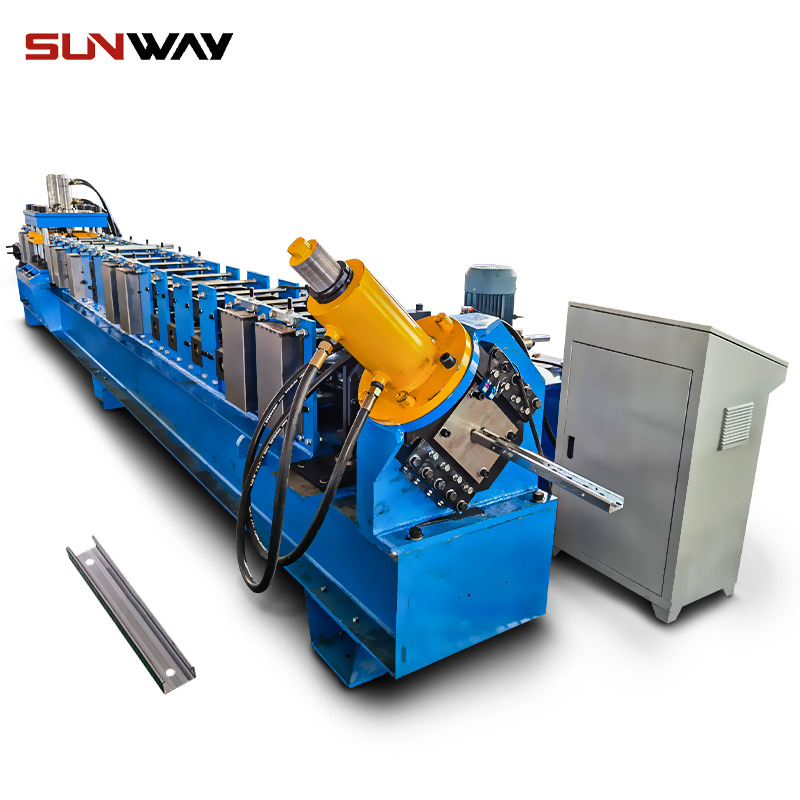
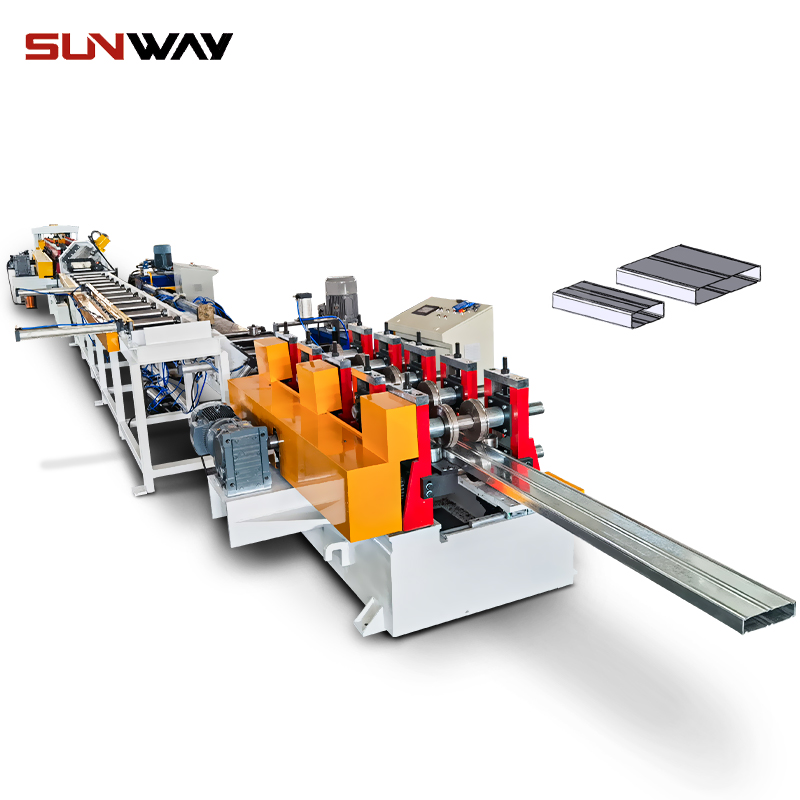
The physical footprint of a shelf rack roll forming machine line is substantial. These continuous production lines include decoilers, hydraulic punching presses, the main forming mill, and flying cut-off saws. When planning your layout, ensure there is adequate clearance for crane operations to load heavy steel coils (often weighing 3 to 5 tons each) into the decoiler. Furthermore, the material flow must be linear and unobstructed. Steel coils enter at one end, and finished roll form pallet rack components exit at the other, minimizing forklift traffic and reducing the risk of workplace accidents.
Selecting the Core Roll Forming Equipment
A complete heavy-duty racking system is not made from a single profile. It is an assembly of various interlocking components. To run a competitive factory, you need a versatile fleet of machinery. Here is how to select the right equipment for each critical component:
The Upright Frame Production Line
The upright column is the vertical backbone of the system. Manufacturing this profile requires a robust shelf rack roll forming machine integrated with a high-speed hydraulic punching unit. The precision of the hole-punching pattern is non-negotiable; it dictates how easily the beams will connect during installation. SUNWAY’s upright roll forming lines are engineered with heavy-duty cast iron stands to absorb the vibration of continuous punching, ensuring the final roll form pallet rack uprights remain perfectly straight and structurally sound.
Horizontal Beam Forming (Step and Box Beams)
The beams bear the actual weight of the pallets. Depending on your target market, you will need to produce both step beams and structural box beams.
Step Beams: These require a dedicated rack roll forming machine capable of handling asymmetrical profiles with tight tolerances.
Box Beams: For heavy-duty applications, box beams are essential. Producing these enclosed profiles requires a more complex line that includes an inline welding station to seam the edges after forming.
Investing in high-quality roller tooling for these machines is crucial. Poorly machined rollers will scratch the galvanized or pre-painted steel, leading to high rejection rates.
Bracing and Support Components
Do not overlook the smaller components. Horizontal and diagonal C-bracings provide lateral stability to the racking bays, while base plates and box plates distribute the load to the concrete floor. While a standard shelf rack roll forming machine can sometimes be adjusted to run different profiles, high-volume factories benefit from dedicated lines for C-sections and plates to maintain uninterrupted production speeds.
The Brains of the Operation - Automation and PLC Control
In modern manufacturing, mechanical strength must be paired with intelligent automation. The most critical factor that separates a premium rack roll forming machine from a substandard one is its control system.
Manual length measurement and cutting are obsolete in high-yield factories. Today’s top-tier equipment relies on advanced Programmable Logic Controllers (PLCs). SUNWAY machinery exclusively integrates imported Siemens PLC systems across all our shelf rack roll forming machine models. This ensures:
Micron-level precision in punching and cutting lengths.
Automated speed synchronization between the decoiler, the forming mill, and the flying cut-off press.
Touch-screen HMI (Human-Machine Interface) that allows operators to switch between different roll form pallet rack profile specifications in minutes, drastically reducing setup downtime.
Installation, Commissioning, and Lead Times
Procuring heavy industrial machinery is a long-term partnership, not a simple transaction. When setting up your plant, the technical support provided by your equipment manufacturer is just as important as the hardware itself.
A common pitfall for new factory owners is underestimating the complexity of machine installation. Aligning the forming stations, calibrating the hydraulic pressures, and tuning the PLC parameters require expert engineers. This is why SUNWAY provides comprehensive overseas installation and commissioning services. Our engineering team will travel to your facility to ensure every rack roll forming machine is perfectly calibrated to your local power supply and raw material specifications.
When planning your factory launch, you must also account for manufacturing and shipping lead times. High-quality, custom-engineered machinery requires meticulous fabrication. A standard lead time for a complete SUNWAY production line is between 60 to 90 days. Factoring this timeline into your project management ensures that your facility is ready to receive the equipment the moment it arrives at the port.